Selling a home you’ve lived in for decades is about much more than square footage and market value. It’s the pencil marks on the doorframe tracking everyone’s height, the tree you planted when the kids were small, and the holidays that unfolded in that kitchen year after year. When it’s time to let that house go, the paperwork is often the easy part. The harder part is the feeling that you’re closing a chapter you weren’t entirely ready to finish.
If you’re in that position, you’re not being overly sentimental. You’re simply human. Here’s how to move through the process with your heart and your sanity intact.
Let Yourself Feel It
Many people expect to feel only excitement when they’re moving toward something good, whether that’s a smaller home, a new city, or a place closer to family. Then the first boxes come out and an unexpected wave of grief arrives. This is completely normal. A house that held twenty or thirty years of your life carries a lot of meaning, and it’s healthy to acknowledge that rather than push the feelings aside in the name of efficiency.
It can help to say it out loud to your partner, a friend, or your grown children. Often they feel it too. The house was their childhood home, and your sale may be bringing up emotions for them that they haven’t known how to mention.
Separate the Emotional Decision From the Practical One
Once you’ve allowed yourself to feel the sadness, it becomes easier to think clearly about the logistics. Start by being honest about why you’re selling. Maybe you want to be near grandchildren, or the stairs have become harder to manage, or the upkeep has outgrown your energy. Whatever the reason, keep it in front of you. It will steer your decisions when the process feels overwhelming.
Remind yourself that the memories belong to you, not to the building. They’ll come with you wherever you go, and the next family will make their own in the same rooms.
Be Realistic About the Condition of the House
Homes lived in for many years usually carry a long list of postponed projects. The kitchen may not have been updated since your kids were in school, the roof may be near the end of its life, and the air conditioner may have been running on borrowed time for a while now. When you’re staying, these things are easy to live with. When you’re selling, they become part of the conversation with every potential buyer.
This is where many longtime owners hit a wall. They love the home but don’t have the energy, or the desire, to oversee a renovation on a house they’re about to leave. Some decide to invest in repairs and list traditionally, while others choose a simpler route and sell as-is so they can save their energy for the next stage of life. Both are valid choices. What matters is picking the one that fits your circumstances rather than doing what you think you’re supposed to do.
One story that captures this feeling well is that of a San Antonio couple that sold to a cash buyer after 22 years in their Northeast San Antonio home. They raised their children there, planted a pecan tree in the backyard, and loved the place, but they were moving to be closer to family and didn’t want to take on repairs before a sale. Their reasoning is a good reminder that loving a house and being ready to fix it up for strangers are two different things.
Take What Matters Before You Hand Over the Keys
Long before moving day, spend some time deciding what you truly want to carry with you. Photograph every room, especially the ones with the most history, including the corners and details you’d normally never think to capture. If there are plants or garden cuttings that mean something to you, ask whether it’s possible to take them, and do so before the sale is final.
Heirlooms and keepsakes deserve some thought as well. Instead of leaving your children to sort through everything later, consider passing along items now, along with the stories behind them. It’s often more meaningful to hand someone a family dish and explain where it came from than to have them find it in a box years down the road.
Make the Rest as Simple as You Can
Selling a long-held home can generate an enormous amount of stuff to sort, donate, or discard. Break the work into small stages, one room or one closet at a time, rather than facing the whole house at once. If friends or family offer to help, say yes. Having company turns a draining chore into a chance to share stories.
Ask whoever you’re selling to what they’ll accept left behind. Some buyers are comfortable taking a house with a few leftover items, which can save you days of hauling and cleaning at the end. Clarify this early and get it in writing so there are no last-minute surprises.
Give Yourself a Proper Goodbye
Before the closing, set aside a little time for a goodbye. It doesn’t need to be elaborate. Some families share a simple dinner sitting on the floor of the empty living room. Others walk through each room one last time, naming a favorite memory in each. A quiet cup of coffee on the porch can be just as meaningful.
These small rituals give the experience a sense of completion, which makes it easier to turn your attention to what’s next.
Look Forward on Purpose
Once the keys have changed hands, start imagining your new place with intention. Think about how you want it to feel, which pieces from the old house will go with you, and what new routines you’d like to create. You don’t have to leave the past behind, but you can build on it.
Selling the home where your family grew up will probably always carry a bittersweet edge. Handled with patience and care, though, it can also be the beginning of something good.
The metal roofing market in Toronto has grown fast over the past several years, and with that growth has come a wave of contractors who added metal panels to their service list without necessarily having deep experience installing them. This creates a real problem for homeowners, because a metal roof that’s improperly installed doesn’t just look bad – it can trap moisture, buckle under thermal expansion, or leak in places that are genuinely hard to trace back to the source. Knowing how to separate a company that specializes in this material from one that’s simply willing to take the job matters more here than it does with almost any other type of home renovation.
Ask About Manufacturer Certification
Most major metal roofing manufacturers, whether they’re producing standing seam steel panels or stone-coated shingles, run certification programs for installers. A certified crew has typically gone through manufacturer-specific training on fastening patterns, expansion joints, and flashing details that vary quite a bit between panel systems. This matters because a mistake in any of those areas tends to show up years later as a slow leak rather than an immediate, obvious problem. A company that can name its certifications without hesitation, and can produce documentation on request, is generally a safer bet than one that says its crew has “done plenty of metal roofs” without specifics.
Look Past the Website
A polished website says very little about the quality of actual installation work. What tells a more honest story is a company’s history of permits pulled with the City of Toronto, which is public information homeowners can check if the project requires one, along with reviews that mention metal roofing specifically rather than general roofing or eavestrough work. It’s also worth asking directly how many metal roof installations the company has completed in the past two years, and requesting two or three addresses of finished jobs in the city that you could, in theory, drive past. A company confident in its work will usually offer this without much pushback, while one that hedges or changes the subject is worth treating with some caution.
Understand What the Warranty Actually Covers
Metal roofing warranties tend to come in layers that aren’t always explained clearly at the point of sale. There’s usually a manufacturer’s warranty on the panels themselves, covering things like paint finish fading or peeling over a set number of years, and separately, a workmanship warranty from the installer covering leaks or failures caused by installation error. These two warranties are not the same thing, and a homeowner who only reads the manufacturer’s paperwork can end up assuming they’re covered for issues that are actually the installer’s responsibility, or vice versa. A trustworthy company will walk through both warranties in plain language before the contract is signed, rather than pointing to a folder of documents and moving on.
Get Multiple Quotes, But Read Them Carefully
Pricing for metal roofing can vary substantially between companies in the GTA, sometimes by several thousand dollars on an identical job, and the cheapest quote isn’t automatically the worst choice, nor is the most expensive automatically the safest. What matters more is what’s actually included. Some quotes cover full tear-off of the old roofing material and inspection of the decking underneath, while others assume the existing deck is in good shape and price accordingly, which can turn into a costly surprise mid-project if rot or damage turns up once the old shingles come off. Ventilation upgrades, ice and water shield along the eaves, and disposal of old materials are other line items that sometimes appear in one quote and quietly vanish from another. Comparing quotes side by side on paper, item by item, tends to reveal more than comparing the bottom-line number alone.
Where Homeowners Actually Find Honest Feedback
Review sites can be useful, but they’re also easy to manipulate, and a handful of five-star reviews doesn’t guarantee a company handles metal roofing specifically well versus asphalt shingles or flat roofing. When choosing a metal roofing company, local homeowner communities tend to produce more candid, specific feedback, since the people posting have no reason to inflate or deflate their experience.
Red Flags Worth Taking Seriously
A few patterns tend to show up repeatedly in complaints about bad metal roofing experiences in the city. Door-to-door solicitation immediately after a storm, pressure to sign the same day to lock in a discount, and requests for a large deposit before any materials have been ordered are all worth pausing over. So is a contractor who can’t clearly explain the difference between the panel gauge and coating options they’re proposing, since that usually signals limited hands-on experience with the material rather than genuine expertise. None of these signs guarantee a bad outcome on their own, but two or three showing up together is usually reason enough to keep looking.
Trusting Your Own Instincts Alongside the Research
At a certain point, all the certification checks and quote comparisons in the world don’t replace the simple sense of whether a company communicates clearly and answers questions directly. The installers who tend to get the best long-term results are often the ones who spend extra time at the estimate stage explaining why they’d choose a particular panel type or fastening approach for your specific roof, rather than offering a generic pitch that would apply to any house in the city. Taking the time to vet a company properly before signing anything is a small investment of effort against a roof that, done right, is meant to outlast the mortgage.
Adding AI image generation to an application looks simple from the outside. Send a prompt, get an image back, display it to the user. In practice, plenty of integrations run into trouble well before launch, usually because of a handful of avoidable mistakes rather than any real limitation of the model itself. GPT Image 2 is capable enough that most problems trace back to how it gets integrated rather than what it can produce, and recognizing these patterns early tends to save both time and money.
Treating Prompts as an Afterthought
The most common mistake is writing a prompt once, seeing that it produces something reasonable, and moving straight into building the surrounding application logic without further refinement. GPT Image 2 responds strongly to detail, and a prompt that seems adequate during a quick test often falls apart once it needs to handle the range of inputs a real application generates. A product description field written by a user, for example, might vary wildly in length and specificity, and a prompt template that only accounted for one example rarely holds up across dozens of different real world cases.
Spending time testing a prompt structure against a wide range of realistic inputs before writing integration code catches this early, rather than discovering it after a feature has already shipped to users who start reporting inconsistent results.
Ignoring Editing Capabilities
Many developers default to regenerating an entire image from scratch every time something needs to change, without realizing GPT Image 2 supports targeted editing of existing images. This oversight leads to unnecessary API calls, higher costs, and results that sometimes drift further from the original intent with each full regeneration, since a fresh generation has no memory of what came before.
Building editing into a workflow from the start, rather than treating every adjustment as a reason to start over, tends to produce more consistent results and a lower overall cost per finished asset, particularly for applications involving iterative design work like product photography adjustments or repeated refinements to a marketing graphic.
Skipping Error Handling and Retry Logic
Image generation calls occasionally fail or produce unusable output, whether from an ambiguous prompt, a temporary service issue, or a request that hits a rate limit. Applications that assume every call will succeed on the first try tend to break in visible, frustrating ways once real user traffic starts hitting the API. A missing image, a broken loading state, or a silent failure all damage user trust in a feature that should feel polished.
Building retry logic and clear fallback behavior into the integration from the beginning avoids this. A well designed system can catch a failed generation, retry with adjusted parameters or a modified prompt, and only surface an error to the user after reasonable attempts have been exhausted. Skipping this step to save development time upfront almost always costs more time later, once failures start showing up in production.
Defaulting to Maximum Quality Settings Everywhere
It is tempting to set every generation to the highest available quality and resolution, assuming that produces the best possible result across the board. In reality, many use cases do not need maximum settings. A thumbnail preview, a draft version shown before a user confirms a final choice, or a background asset that will be displayed small on screen rarely benefits from the highest quality tier, yet still carries the higher cost associated with it.
Matching quality settings to actual use case, reserving higher fidelity generations for moments where detail genuinely matters, keeps costs proportional to the value each image delivers instead of paying a premium rate for output nobody will notice the difference in.
Underestimating Volume Before Launch
A feature that performs fine during internal testing with a handful of team members can behave very differently once real users start triggering generations at scale. Developers sometimes underestimate how quickly automated image creation, tied to routine user actions rather than a deliberate, limited action, can accumulate both API calls and cost. What looked like a manageable monthly budget during testing can shift dramatically once traffic grows past initial expectations.
Modeling realistic usage patterns before launch, including expected retry rates and how often editing workflows get triggered, produces a far more accurate cost forecast than assuming testing volume will scale linearly with a growing user base.
Choosing an Access Path Without Comparing Options
A less obvious mistake is committing to a single access path for the API without comparing what else is available. Direct billing through a standard channel is not the only way to reach GPT Image 2, and developers who skip this comparison sometimes end up paying more than necessary for identical output.
You.bot is one example of a platform built specifically to address this gap. It offers access to GPT Image 2 alongside a range of other AI models, combining an API for production integration with an interactive Playground for testing prompts visually before writing any code. Because the underlying model output is identical regardless of access path, the meaningful differences between options come down to pricing, ease of testing, and how quickly a developer can move from an idea to a working prompt. Comparing a platform like You.bot against direct billing before committing to an integration architecture is a straightforward way to avoid overpaying for something that costs significantly less through an alternative route.
Building With Fewer Surprises
Most of the friction developers run into with GPT Image 2 has less to do with the model’s actual capability and more to do with integration habits carried over from less demanding tools. Testing prompts thoroughly, using editing features instead of defaulting to full regenerations, building proper error handling, matching quality settings to real use case, and comparing access options before committing all reduce the number of surprises a team encounters once a feature reaches real users.
None of these fixes require deep technical sophistication. They mostly require treating integration as a deliberate process rather than a quick afterthought once the model itself proves capable enough for the job.
Cars have always been part machine, part mystery. Even people who drive the same vehicle for a decade often have only a vague sense of what’s happening under the hood, behind the dashboard, or inside the engine block. But understanding the basics of automotive mechanics, and knowing which tools actually help you diagnose problems, can save you thousands of dollars over the life of a car, and just as importantly, save you from unnecessary anxiety every time a warning light flickers on.
The Engine: Still the Heart of the Machine
Whether it’s a gas engine, a diesel, or a hybrid powertrain, the core mechanical principle hasn’t changed much in over a century: controlled combustion (or electric torque, in EVs) turns into rotational force, which turns the wheels. What has changed dramatically is how that process is monitored. Modern engines are wrapped in sensors – oxygen sensors, knock sensors, mass airflow sensors, all feeding data back to an onboard computer that makes hundreds of micro-adjustments per second.
This is both a blessing and a curse for the average car owner. On one hand, engines are more efficient and self-correcting than ever. On the other, diagnosing a problem often means dealing with layers of electronics rather than just listening for a strange noise. A check engine light might point to something as simple as a loose gas cap or as serious as a failing catalytic converter, and the code reader alone won’t always tell you which.
Why Visual Inspection Still Matters
Despite all the diagnostic software available today, there’s no substitute for actually seeing what’s going on inside a component. Mechanics have long relied on their eyes and hands to catch problems that sensors miss entirely – a hairline crack in a hose, corrosion building up in a fuel line, sludge coating the inside of a valve cover. The problem is that most of these areas are difficult or impossible to reach without significant disassembly.
This is where inspection cameras have quietly become one of the most useful tools in a home mechanic’s kit. A small, flexible camera on a cable, often called a borescope, lets you snake a lens into tight spaces: down a spark plug hole to check for carbon buildup, into an intake manifold, or behind a dashboard to trace a wiring harness. Instead of pulling an engine apart on a hunch, you can get a clear picture first and decide whether the job is even necessary.
If you’re shopping for one, it helps to know what separates a genuinely useful unit from a toy. Camera resolution, cable flexibility, waterproofing, and screen quality all matter more than they might seem to at first glance, and prices vary enormously for tools that look nearly identical online. It’s worth taking the time to find the best borescope camera for your specific use case rather than grabbing the cheapest option, since a blurry image or a stiff, unreliable cable can turn a ten-minute inspection into an hour of frustration.
Beyond the Engine Bay: Where Else These Tools Help
Cars aren’t just engines – they’re a tangle of tubing, wiring, and enclosed spaces that a flashlight alone can’t reach. Brake lines run along the underside of the frame. Exhaust systems snake beneath the cabin. HVAC ducting winds behind the dashboard. All of these are places where a borescope earns its keep, letting a mechanic (professional or amateur) spot rust, leaks, or blockages without removing half the vehicle to get a look.
Interestingly, the same basic tool that helps with car repairs is also widely used around the house, particularly for one very specific and very common headache: plumbing. Clogged drains, slow-draining tubs, and mysterious odors from pipes are often impossible to diagnose from the outside. Homeowners have increasingly turned to the same borescope-style cameras mechanics use, just adapted with longer, more flexible cables suited for pipework. Looking with a pipe inspection camera can help you see exactly what’s going on inside the line – allowing you to distinguish a simple hair clog from a cracked pipe or root intrusion, and avoid spending money on a plumber’s inspection you could have handled yourself.
This crossover between automotive and household maintenance tools makes sense once you think about it. Both fields deal with the same core problem: something is broken or blocked in a space no human hand or eye can naturally reach. The solution – a camera on a long, maneuverable cable feeding a live image to a screen – works whether the “pipe” in question is an exhaust manifold or a bathroom drain.
Basic Maintenance Habits That Actually Matter
Tools aside, most car trouble still comes down to a handful of predictable culprits: neglected oil changes, worn brake pads, underinflated tires, and old batteries. Sticking to a maintenance schedule is unglamorous advice, but it remains the single most effective thing any driver can do. Oil lubricates and cools engine components, letting it degrade accelerates wear on nearly everything it touches. Tires lose pressure gradually and unevenly, which affects fuel economy, handling, and how evenly the tread wears down. Brake pads wear faster under city driving and heavy braking, and ignoring the telltale squeal usually turns a cheap pad replacement into an expensive rotor replacement.
None of this requires deep mechanical expertise. It requires attention. A five-minute walk-around before a long trip – checking tire tread, glancing under the car for fresh drips, listening for anything unusual on startup – catches a surprising number of problems while they’re still cheap to fix.
Knowing When to DIY and When to Call a Mechanic
There’s a reasonable middle ground between “know nothing about cars” and “do all your own repairs.” Many owners find real value in being able to diagnose a problem even if they don’t fix it themselves. Being able to tell a mechanic “I inspected the intake and there’s visible carbon buildup” or “the pipe camera showed a crack about six feet in” changes the conversation. It means fewer unnecessary diagnostic fees, less risk of being oversold on repairs you don’t need, and a much better sense of whether a quoted price is reasonable.
Cars, like homes, reward the kind of ongoing attention that catches small problems before they become expensive ones. The tools for that kind of attention have gotten better and more affordable, and a decent inspection camera is one of the few gadgets that pays for itself the very first time it saves you an unnecessary repair.
“Will this pay for itself?” is the only question that matters to most small business owners considering AI automation, and it’s also the question that gets the vaguest answers. Vendors talk about “10x productivity” and “transforming your business.” Skeptics talk about hype cycles and expensive toys nobody uses after month two. Neither extreme is very useful if you’re trying to decide whether to spend your Tuesday afternoon setting up an AI agent instead of doing something else.
So let’s talk about ROI honestly – where it actually shows up, where it doesn’t, and how long it realistically takes.
The Two Kinds of Return
AI automation for small businesses tends to pay off in two very different ways, and conflating them is where a lot of disappointment comes from.
Time-saved ROI is the easy one to measure. If an agent handles customer support tickets that used to take you two hours a day, and your time is worth even a modest hourly rate, that’s a concrete number. Multiply hours saved by what your time (or an employee’s time) costs, and you have a baseline return that shows up within weeks, not months.
Capability ROI is harder to measure but often bigger. This is what happens when automation lets you do things you simply weren’t doing before – following up with every lead instead of the ones you remembered to, producing content consistently instead of in sporadic bursts, catching financial anomalies instead of finding them three months later. This kind of return doesn’t show up as “saved hours.” It shows up as revenue you wouldn’t have captured or costs you wouldn’t have avoided, and it usually takes a full quarter or two to become visible in the numbers.
Where the Time Actually Goes
Most owners underestimate setup time and overestimate ongoing maintenance. Getting a single agent connected to one workflow – say, triaging support emails – typically takes a few hours to a couple of days, most of which is spent writing down what you actually want it to do (a task most businesses have never bothered to document, agent or no agent). After that, maintenance is usually light: occasional corrections, periodic review of edge cases, updating instructions when your business changes.
The mistake that kills ROI isn’t picking the wrong tool – it’s trying to automate five things at once before any one of them is working reliably. Businesses that see real returns almost always started with one narrow, well-defined task, got it working, and only then expanded.
The Costs Nobody Mentions
Software subscriptions are the visible cost. The invisible ones are usually bigger:
Documentation time. An agent can only follow a process you’ve actually written down.
Correction and review time, especially in the first month, while you’re catching mistakes and refining instructions.
The cost of doing it wrong – an agent that emails customers with outdated pricing, or approves a refund it shouldn’t have, can cost more than it saves if it’s given too much autonomy too early.
None of these are reasons to avoid automation. They’re reasons to budget for a ramp-up period instead of expecting instant results.
A Realistic Timeline
Based on how this typically plays out for small businesses:
Weeks 1–2: Setup, documentation, first agent live on a single task, still closely supervised.
Weeks 3–6: Fewer corrections needed, time savings become noticeable, second use case identified.
Months 2–4: Multiple agents running, some coordination between them, time-saved ROI is clearly positive.
Months 4+: Capability ROI starts compounding – more consistent output, faster response times, fewer dropped leads – and this is usually where owners say the investment “actually paid off.”
Learning the Framework: A Look at Pixel AI Hub
Because ROI depends so heavily on sequencing – what to automate first, how to structure instructions, when to add the next agent – a lot of the value in structured training comes less from the tools themselves (many are free or low-cost) and more from the framework for rolling them out without wasting the first two months on trial and error.
That’s the angle Pixel AI Hub, a platform from Pixel Educação led by entrepreneur Bruno Okamoto, is built around. Rather than a single course, it runs as an ongoing subscription: guided lessons for setting up an initial agent quickly, a second stage focused on applying it to a real workflow in your own business, and a later stage aimed at connecting multiple agents into a shared operational system. There’s also a live component and a community of other business owners comparing notes across industries – useful specifically because a lot of ROI comes from sequencing decisions that are hard to get right the first time alone.
It’s worth being clear-eyed about what this kind of program does and doesn’t do: it won’t shortcut the documentation and correction time described above, and the material itself doesn’t promise fast financial results. What it offers is a structured path through the ramp-up period, which for time-strapped owners is often worth more than the tools themselves.
The Bottom Line
AI automation ROI for small businesses is real, but it’s not instant, and it’s not uniform across every task. Time-saved returns show up fast on narrow, well-documented tasks. Bigger, compounding returns take a quarter or more and come from capabilities you didn’t have before, not just hours you got back. Start with one process, measure honestly, and resist the urge to automate everything at once — the businesses that see the best returns are almost never the ones that moved fastest.
Not every gold shop offers the same level of service, and for customers in Pak Kret trying to decide where to buy or sell gold jewelry, the details genuinely matter. LH Gold Group Pak Kret, operating as Lieng Heng Gold Shop – the best ร้านทองปากเกร็ด, has built its reputation around authentic product quality and pricing that customers can actually understand.
An Extensive, Genuine Selection
The shop carries an extensive range of gold jewelry — necklaces, bracelets, rings, earrings, pendants, and bangles in styles ranging from classic to contemporary, plus traditional amulet cords. Every piece is checked for authenticity before being sold, rather than left to customer guesswork. For anyone who has ever worried about buying gold jewelry of questionable purity, this kind of care removes a major source of anxiety from the purchase.
Service That Feels Like Guidance, Not Sales
Where this Pak Kret Gold Shop really separates itself is in how staff interact with customers day to day. Rather than pushing a sale, the team focuses on genuine guidance — helping customers understand their options, whether that’s choosing a design suited to a particular occasion or understanding the pricing behind a piece before committing to a purchase.
Building Relationships, Not Just Transactions
This advisory approach, paired with consistently fair pricing, has helped the shop build long-term relationships with customers across Pak Kret and neighboring parts of Nonthaburi, rather than one-off transactions that leave customers looking elsewhere next time.
A Shopping Environment Built for Comfort
The store’s interior balances an upscale aesthetic with a relaxed, approachable feel, and display cases are arranged so that jewelry can be examined closely and clearly without the pressure of a crowded counter. It’s an environment built for customers who want time to consider a purchase rather than rush through it.
What It All Adds Up To
For anyone weighing where to shop for gold in the Pak Kret area, these differences — genuine quality, transparent pricing, and an unhurried in-store experience — add up to a meaningfully different proposition than a typical local jewelry counter. It’s a combination that rewards patience and repeat visits rather than a single quick purchase.
Comparing Shops the Right Way
If you’re comparing several gold shops in Pak Kret before making a decision, it helps to judge them on more than price alone. Pay attention to how staff answer questions, whether they seem willing to explain their reasoning, and whether the shopping environment feels rushed or relaxed. These softer signals often say as much about a shop’s reliability as the numbers on a price tag.
A Reputation Built Locally
Much of the shop’s standing in Pak Kret has developed gradually, through repeat customers and recommendations passed between neighbors and family members rather than large-scale advertising. That kind of organically built reputation tends to be a more reliable indicator of quality than marketing alone.
Consistency Over Time
One of the harder things for any retail business to maintain is consistency — treating a first-time visitor the same way it treats a longtime regular. Shops that manage this well tend to hold onto customers for years, since people naturally gravitate back toward places where they’ve had a fair, pleasant experience before.
The Value of a Second Opinion
If you’re ever unsure about a piece or its price, there’s no harm in asking for a second explanation or coming back another day to think it over. A shop that welcomes this kind of careful consideration, rather than pressuring a same-day decision, is generally one worth trusting with a significant purchase.
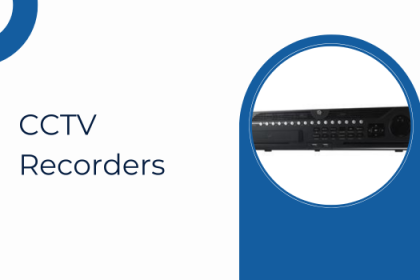
Closed-circuit television surveillance systems depend upon sophisticated recording equipment transforming continuous video streams into storable footage accessible for review and forensic analysis. Digital Video Recorders, commonly abbreviated DVR, form the heart of analog CCTV systems, providing centralized equipment managing multiple camera connections, recording operations, and user interface capabilities. Personet Shop supplies comprehensive เครื่องบันทึกกล้องวงจรปิด and DVR solutions from leading manufacturers including Dahua and Hikvision, supporting diverse surveillance requirements across residential, commercial, and industrial applications.
Digital Video Recorder Functionality and Core Capabilities
DVR systems receive analog video signals from connected cameras, digitizing these signals through specialized circuitry before compression and storage on integrated hard drives. The digitization process preserves original image content while enabling computational analysis, compression, and network transmission capabilities impossible with purely analog signals. Modern DVRs operate as sophisticated computing platforms executing multiple simultaneous processes including real-time video capture, data compression, storage management, and user interface operations.
The core functionality of DVR systems encompasses several critical operations. Multi-channel input support enables connection of numerous cameras to single recording devices, with typical DVRs accommodating four, eight, sixteen, or thirty-two camera channels. Each channel operates independently, receiving dedicated processing resources enabling simultaneous recording from all connected cameras without signal degradation. The ability to manage multiple camera feeds simultaneously represents substantial technological achievement, as real-time processing demands exceed capabilities of earlier-generation equipment.
Recording flexibility provides options adapting to diverse operational requirements. Continuous recording mode captures footage perpetually, maintaining video history limited only by storage capacity before overwriting begins. Motion-triggered recording captures video exclusively when movement occurs within camera view, substantially reducing storage demands for applications where activity concentration proves minimal. Scheduled recording enables recording at defined times, facilitating applications requiring periodic monitoring without maintaining comprehensive history.
Storage Solutions and Capacity Planning
Hard drive selection significantly impacts DVR system longevity and reliability. Surveillance-grade hard drives manufactured specifically for continuous-operation applications exhibit superior reliability compared to consumer-grade alternatives. These specialized drives incorporate higher mean time between failure ratings and support continuous operation across extended duty cycles. Personet Shop supplies surveillance-appropriate hard drives ensuring DVR system longevity and dependable operation.
Capacity planning requires mathematical calculation accounting for resolution, frame rate, compression level, and retention period relationships. Two-megapixel cameras operating at standard frame rates with moderate compression generate approximately 50-100 gigabytes per day depending on system parameters. A system requiring thirty-day retention with four cameras demands approximately 6-12 terabytes of storage. Underestimating capacity requirements results in premature footage deletion before investigation completion, while overestimating wastes resources on unnecessary storage infrastructure.
DVR systems support hot-swappable hard drives enabling capacity expansion without shutting down recording operations. As storage utilization approaches capacity limits, additional drives can be installed, seamlessly increasing recording capacity. This scalability enables gradual expansion matching budget availability and changing requirements without requiring complete system replacement.
Video Compression Technologies
H.264 compression standard has dominated surveillance video encoding for over a decade, providing acceptable quality at moderate compression ratios. The compression algorithm analyzes sequential video frames, encoding only pixels changing between frames rather than repeating data. This delta encoding substantially reduces file sizes while preserving image quality adequate for security applications.
H.265 compression, the successor to H.264, achieves similar quality at compression ratios approximately 50% greater than H.264. The enhanced efficiency enables recording additional camera feeds, extending retention periods, or reducing storage infrastructure requirements when migrating to H.265-capable systems. Personet Shop assists customers evaluating codec trade-offs, ensuring selections balance quality against efficiency.
The relationship between compression ratios and image quality requires careful consideration. Excessive compression sacrifices detail critical for suspect identification or forensic analysis. Conversely, minimal compression wastes storage resources without providing perceptible quality improvements. Professional system designers select compression parameters optimizing these competing requirements, creating systems delivering adequate quality while maximizing efficiency.
User Interface and Operational Considerations
Modern DVR systems provide intuitive interfaces enabling straightforward operation by security personnel with varying technical expertise. Touchscreen displays, remote controls, and software applications facilitate footage retrieval, live monitoring, and system configuration. Organized menu structures guide users through complex operations, reducing training requirements and minimizing operational errors.
Mobile applications enable authorized users to monitor live feeds and retrieve recorded footage from remote locations via internet connectivity. This capability proves invaluable for security management coordinating multi-facility operations or responding to remote incidents. Secure authentication protocols protect mobile access, preventing unauthorized footage access.
Playback capabilities enable efficient footage review and analysis. Adjustable playback speed enables rapid content navigation, while timeline interfaces facilitate quick positioning within extended recordings. Search functions filtered by date, time, and camera channel enable rapid location of relevant footage without reviewing unnecessary content.
Network Connectivity and Integration Capabilities
Modern DVR systems increasingly incorporate network connectivity enabling integration into broader security infrastructures. Rather than existing as isolated equipment, network-connected DVRs facilitate data sharing, remote monitoring, and centralized security management. The connectivity enables configuration changes and firmware updates across multiple systems, simplifying administrative operations.
Integration with alarm systems enables coordinated responses where alarm triggers automatically commence recording and activate notifications. This integration ensures video evidence captures precise incident timing, enhancing investigative capabilities. Access control system integration creates audit trails associating recorded video with credential usage, providing comprehensive security documentation.
Professional Installation and Configuration Services
Effective DVR system deployment extends beyond equipment acquisition to professional installation and configuration. Proper camera connection wiring, power distribution, and network integration require skilled technicians possessing equipment-specific expertise. Personet Shop’s installation services ensure systems function optimally immediately following deployment.
System configuration addressing specific operational requirements represents critical installation phase. Recording parameters, storage allocation, user permissions, and backup strategies require customization matching facility requirements. Professional configuration eliminates guesswork, ensuring systems operate according to operational specifications.
Warranty and Support Services
Personet Shop provides comprehensive warranty coverage protecting against equipment failures. Three-year product warranties combined with one-year installation service guarantees create extended protection periods. Beyond warranty coverage, technical support teams remain available addressing questions and troubleshooting issues throughout system operational lifespan.
Conclusion
DVR systems represent essential components of analog CCTV surveillance infrastructure, providing sophisticated recording, storage, and retrieval capabilities. Through Personet Shop’s comprehensive DVR selection, professional installation services, and ongoing technical support, customers can deploy reliable recording systems capturing video evidence supporting security objectives. Proper equipment selection, capacity planning, and professional implementation ensure DVR systems deliver maximum value throughout extended operational lifespans.
Most junk removal companies will not tell you this because it creates a paper trail they would rather avoid, but the vast majority of the “all-inclusive” quotes you get over the phone are designed to be broken. It is a classic industry bait-and-switch where the low-ball estimate functions like a placeholder until the truck is actually in your driveway and your old sectional is halfway out the door. At that point, the price magically inflates because of “weight surcharges” or “stair fees” that were never mentioned. Choosing a hauler is not just about finding someone with a big truck. It is about identifying a partner who treats your property like a surgical site rather than a demolition zone.
The good news is that spotting a professional in a sea of amateurs is actually quite simple once you know where the seams are. It takes about five minutes of digital detective work to separate the legitimate crews from the guys who are just going to dump your old tires in a Hamilton ravine. When you do it right, the process feels less like a chore and more like a massive weight being lifted off your shoulders. It should feel like you finally cleared the deck so you can actually live in your home again.
You can verify a company’s legitimacy fast. Like, under ten minutes. And it will save you hundreds of dollars in hidden fees and potential liability.
The Realities of Professional Hauling in Hamilton
Choosing a junk removal company is more than just a search for the lowest price. It is the process of inviting strangers into your home to handle heavy, awkward objects near your drywall and hardwood floors. A true professional service operates with a high degree of logistics and environmental responsibility. They do not just “throw stuff away.” They manage a complex stream of waste, recycling, and donation cycles that keep as much material as possible out of the Glanbrook landfill.
In Hamilton, the right service is one that understands the local geography, from the narrow streets of the lower city to the sprawling properties on the Mountain. They should be able to provide clear, volume-based pricing that accounts for the specific types of debris you are looking to shed. Whether it is old renovation debris or a basement full of “I might need this someday” boxes, the service must be scalable. It is about precision, not just brute force.
Which leads us to the first major filter you need to apply when looking at local options. If a company cannot explain where your items go after they leave your curb, they are likely taking a shortcut that could come back to haunt you. Ethical disposal is the hallmark of a service that actually values the community it operates in.
The Liability Shield and Why It Matters
Most homeowners assume that if a worker gets hurt on their property, the company’s insurance covers it. That is a dangerous assumption. If you hire a “guy with a truck” who lacks WSIB (Workplace Safety and Insurance Board) coverage or general liability insurance, you are effectively the primary employer. If that worker drops a refrigerator on their foot or puts a hole in your ceiling, the financial burden can land squarely on your home insurance policy.
Choosing the right junk removal service starts with a simple request: ask for proof of insurance and WSIB clearance. A legitimate Hamilton business will have these documents ready to email or show you on a smartphone within minutes. It is not being “difficult” to ask for this. It is being a responsible property owner. If they hedge or claim they are “covered under a personal policy,” thank them for their time and hang up the phone.
Beyond physical injury, you want to look for General Liability Insurance. This covers the “oops” moments. Junk removal is a high-impact job. Rubbish is heavy, dusty, and often has sharp edges. You want to know that if a crew member accidentally scrapes your freshly painted hallway or clips a light fixture, the company has the backing to make it right without a legal battle. This insurance is the silent protector of your home’s value during the cleanout process.
This level of protection is what separates the professionals from the fly-by-night operations that disappear the moment something goes wrong. Once you have verified the safety net, you can start looking at how they actually handle the heavy lifting.
The Volume Pricing Trap
The industry standard for pricing is based on how much space your items take up in the truck. This is often referred to as “fractional pricing.” You might pay for an eighth of a truck, a quarter, a half, or a full load. However, the size of those trucks varies wildly between companies. A “full load” in a small dump trailer is significantly less volume than a full load in a specialized 14-cubic-yard junk truck. Always ask for the dimensions of the truck or the total cubic yardage they provide for the quoted price.
To avoid the bait-and-switch, look for companies that offer the Transparency Audit. This is not a formal document, but a way of interacting. A company passing this audit will provide you with a clear price list before they arrive and will give you a firm, “no-obligation” quote once they see the pile in person. If they refuse to give you a final number until the truck is loaded, they are holding your junk hostage. A professional should be able to look at a pile of debris and tell you exactly what it will cost within a ten percent margin.
Watch for Hidden Surcharges
In the Hamilton market, certain items carry extra disposal fees at the transfer station. These include things like tires, mattresses, appliances with Freon (fridges and AC units), and televisions. A transparent company will list these “surcharge items” clearly on their website or during the initial booking call. If these costs only “surface” once the items are on the truck, it is a sign of poor management or intentional deception.
The “Heavy Load” Distinction
If you are clearing out “clean fill” like dirt, brick, concrete, or gravel, the pricing changes completely. These materials are incredibly heavy and can quickly exceed the weight limit of a standard junk truck even if the bed is only a quarter full. Professional services will have specific “bed-load” pricing for these materials. If they try to charge you by volume for a pile of concrete blocks, they likely do not know what they are doing and might damage their equipment (or your driveway) in the process.
Understanding the math behind the move ensures that the final invoice does not include any unpleasant surprises. But the cost is only half the story. The other half is what happens to the stuff once it is gone.
The Eco-Friendly Disposal Pipeline
We have all seen the news stories about illegal dumping in rural areas. When you hire a junk removal service, you are responsible for where that waste ends up. If a cut-rate hauler dumps your old couch in a forested area and a city inspector finds a piece of mail with your address on it, you are the one getting the fine. This is why choosing the right junk removal service requires a deep dive into their disposal habits.
A high-quality service in Hamilton should follow a Triple-Filter Protocol. This means every load is sorted into three distinct streams before it ever reaches the dump. First, they pull out items that can be donated to local charities or furniture banks. Second, they separate recyclable materials like scrap metal, cardboard, and clean wood. Only the remaining “true trash” should head to the landfill. This is not just about being “green.” It is about efficiency. Recycling and donating often cost the company less than landfill tipping fees, and a smart business passes those savings on to you.
Ask the company which local Hamilton organizations they partner with. If they can name a specific thrift store or a metal recycler on Burlington Street, you know they are actually doing the work. If they give a vague answer about “taking care of it,” they are likely just dumping it all in the same bin. Your junk might be someone else’s treasure, and a good hauler acts as the bridge between the two.
This commitment to the community is a strong indicator of a company’s long-term viability. It shows they are invested in the city, which usually translates to better customer service and more reliable scheduling.
Evaluating Equipment and Team Professionalism
You can tell a lot about a service by the state of their gear. While junk removal is a dirty job, the trucks should be well-maintained and clearly branded. A branded truck is a moving billboard. It shows the company is proud of its reputation and isn’t trying to hide. If a crew shows up in an unmarked, rusted-out van, you have to wonder what other corners they are cutting in their business.
Professionalism also extends to the crew. Are they in uniform? Do they have the right tools, like appliance dollies, floor runners, and straps? A prepared crew can finish a job in forty minutes that would take an amateur three hours. They should also have a clear communication style. You should receive a confirmation text when they are on their way and a clear explanation of the work plan before they start lifting.
Speed is a byproduct of experience. A seasoned team knows how to navigate tight stairwells without dinging the walls. They know how to “Tetris” a truck to maximize space, which ultimately saves you money. If the crew looks like they are figuring it out as they go, you are paying for their learning curve. Look for a team that moves with a sense of purpose and respects the “no-go” zones of your home.
The right equipment also includes safety gear. Steel-toed boots and gloves are the bare minimum. In a post-pandemic world, many homeowners also appreciate crews that are mindful of indoor air quality and personal space. These small details are the hallmarks of a service that views itself as a professional trade rather than just a manual labor gig.
The Order of Operations for a Stress-Free Cleanout
If you are feeling overwhelmed by the sheer volume of stuff in your way, don’t try to solve it all at once. Follow this simple workflow to ensure you get the best results from your chosen service:
The Separation Phase: Clearly mark what is staying and what is going. Use painter’s tape to “X” out the items for removal. This prevents accidental hauls of things you wanted to keep.
The Inquiry Phase: Call at least three local Hamilton services. Ask about their truck size, insurance, and surcharge items. If they can’t answer these quickly, move on.
The Image Check: Send photos of your junk pile to the companies. Most modern services can give a very accurate estimate via text or WhatsApp. This saves everyone time and sets a baseline for the price.
The Access Check: Ensure there is a clear path from the junk to the driveway. Clear snow, move cars, and unlock gates. The faster the crew can work, the happier everyone is.
By following these steps, you take control of the situation. You aren’t just a passive observer. You are the project manager of your own space. This proactive approach ensures that when the truck pulls away, you aren’t left with a lighter wallet and a heavy heart.
When you finally find the right junk removal service in Hamilton, such as the 1 Day Junk junk removal company, the transformation of your home happens in hours, not days. It is the fastest way to reclaim your square footage and your peace of mind. It is about more than just trash. It is about clearing the path for whatever comes next in your life.
Clear the Path
At the end of the day, the junk in your basement or garage is just a physical manifestation of a “to-do” list that has grown too long. Hiring a professional service is the act of crossing those items off all at once. It turns out that choosing a hauler was never really about the truck or the heavy lifting. It was about finding a partner who values your time, your safety, and the local Hamilton environment as much as you do. Once the clutter is gone and the floor is visible again, you realize you weren’t just paying for disposal. You were paying for the freedom to move through your own home without tripping over the past. Clear the path, let the light back in, and enjoy the space you worked so hard to earn.
Your keyboard is a slot machine. Every time you hit publish, you’re betting your brand’s reputation on an algorithm that changes its mind more often than a toddler at a toy store. Finding the right AI SEO writing platform isn’t just about avoiding the “I’m sorry, I can’t do that” errors of yesteryear. It’s about survival in a digital ecosystem where search engines now prioritize deep relevance over simple word counts. If your current tool just spits out generic paragraphs, you’re not competing. You’re just making noise. It’s time to find a partner that actually understands the math behind the clicks.
Why Is Choosing the Right AI SEO Writing Platform Critical in 2026?
The game has changed. We’ve moved past the era of mass-produced fluff into a period of extreme precision. Search engines in 2026 don’t just look for keywords. They look for information gain and unique perspectives that a basic chatbot cannot provide. An AI SEO writing platform must now act as a strategist, researcher, and editor all at once. If you choose a tool that lacks live data integration, you’re writing for a world that no longer exists.
Visibility is expensive. Organic traffic remains the highest ROI channel for most businesses. But the barrier to entry has skyrocketed because everyone has access to basic AI. To stand out, your platform needs to do the heavy lifting of data-driven optimization before the first sentence is even written. It’s the difference between guessing what works and knowing exactly what the algorithm wants to see.
Does AI Writing Help or Hurt Organic Ranking in Current Search Engines?
Quality is the only metric. Google and other major search engines have made their stance clear: they reward helpful content regardless of how it’s produced. They don’t punish AI. They punish boring, repetitive, and unhelpful pages that offer nothing new to the reader. If your AI SEO writing platform produces “hallucinations” or outdated facts, your rankings will tank. But if you use NLP content writing tools to enhance depth and accuracy, you’ll see a massive lift in authority.
Context matters most. Modern algorithms use advanced neural networks to determine if a page actually solves a user’s problem. Purely automated sites that ignore user experience are being wiped out in monthly core updates. You need a tool that prioritizes Search intent analysis AI to ensure every paragraph serves a specific purpose. High-quality AI content is now indistinguishable from human writing. In fact, it’s often more structured and data-rich.
The Shift From Traditional SEO Software to AI-Native Platforms
Legacy tools are slow. Old-school SEO suites were built for a world of manual backlink checking and static keyword tracking. They’ve tried to bolt on AI features, but the experience is clunky and disconnected. AI-native platforms are built from the ground up with Large Language Models (LLMs) at their core. These tools don’t just tell you that you need more “latent semantic indexing” keywords. They actually write them into the flow of your prose naturally.
Integration is everything. AI SEO writing tools vs traditional SEO software is no longer a fair fight. Modern platforms offer real-time SERP analysis AI that looks at what’s ranking right this second. They see the shift in search intent before the traditional tools even update their databases. You’re getting a live look at the battlefield. This allows you to pivot your content strategy in minutes rather than weeks.
What Are the Must-Have Features in an AI SEO Platform for 2026?
Features define your speed. You can’t afford to spend four hours on a single blog post anymore. Your AI SEO writing platform must automate the tedious parts of the job while leaving you in control of the creative direction. Look for tools that offer automated SEO content briefs that include everything from header structures to recommended internal links. Without these, you’re just staring at a blank page with a fancy autocomplete. Efficiency is the only way to scale content without losing your mind.
Real-Time SERP Analysis AI and Competitive Benchmarking
Static data is a trap. The search results for a high-value keyword can change in an afternoon. Your AI SEO writing platform must scrape the current top 10 results to see exactly what’s working right now. It should analyze the average word count, the number of images used, and the specific questions being answered by your competitors. This isn’t about copying them. It’s about finding the gaps they missed. If everyone is talking about “how to,” maybe you should talk about “why not.”
Benchmarking is vital. You need to know exactly how your draft stacks up against the current winners. A good AI SEO writing platform provides a real-time score that updates as you write. It should flag if you’re missing a critical subtopic that every other ranking page includes. This ensures you never publish a piece of content that is “thin” in the eyes of a search engine. You’re playing to win, not just to participate.
Automated SEO Content Briefs and Semantic Requirements
Structure saves time. Manually creating a content brief used to take an hour of research. Now, an AI SEO writing platform can generate a comprehensive outline in thirty seconds. These briefs should include AI tools for topic clusters suggestions to help you build topical authority. They should also list the exact semantic terms you need to include to satisfy the algorithm’s requirements. This takes the guesswork out of the writing process. You just follow the roadmap.
Precision is key. A great brief doesn’t just list keywords. It explains the intent behind them. It tells you if the user is looking for a quick answer or a deep-dive guide. If your platform doesn’t distinguish between these, you’ll end up with content that doesn’t convert. Automated SEO content briefs act as the bridge between your SEO strategy and your writing team. They keep everyone on the same page without the need for endless meetings.
NLP Content Writing Tools for Better Search Relevance
Language is complex. NLP content writing tools use Natural Language Processing to make your writing feel more human and relevant. They help you avoid “keyword stuffing” which is a relic of the past. Instead, they suggest related entities and concepts that prove you’re an expert on the subject. If you’re writing about “electric cars,” the AI should prompt you to mention “kilowatt-hours” and “regenerative braking.” This is how you build trust with both readers and robots.
Relevance is the goal. Search engines use models like BERT and Smith to understand the nuances of your sentences. Your AI SEO writing platform should be just as smart. It should help you vary your sentence structure and use active voice to keep readers engaged. Better engagement leads to longer dwell times. Longer dwell times lead to higher rankings. It’s a virtuous cycle that starts with better language processing.
How Do You Evaluate AI Writing Tools for SEO Accuracy?
Trust but verify. Not all AI SEO writing tools are created equal. Some are just wrappers around cheap APIs that produce repetitive, low-quality text. You need to put any potential platform through a rigorous testing phase. Check for how it handles complex topics and whether it can maintain your brand’s unique voice. If the output sounds like a dry textbook, your audience will bounce. You need flair as much as you need facts.
Testing for Fact-Checking and Hallucination Mitigation
AI lies sometimes. It’s a well-known issue called hallucination where the model confidently states something that is completely false. Your AI SEO writing platform must have built-in safeguards or fact-checking integrations. Even with these, a human-in-the-loop is still necessary for high-stakes content. You should test the tool by asking it to write about a niche topic with specific data points. If it makes up statistics, it’s a liability. Accuracy is the foundation of your brand’s authority.
Verification is non-negotiable. Use a tool that cites its sources whenever possible. This allows your editors to quickly check the original data without hunting through Google themselves. A platform that offers real-time SERP analysis AI is usually better at this because it’s pulling from live web pages. Don’t let a “smart” tool make your brand look “stupid.” One bad fact can ruin years of built-up trust with your audience.
Assessing the Quality of AI SEO Tools for Semantic Search Optimization
Keywords are dead. Long live entities. AI SEO tools for semantic search optimization focus on the relationships between ideas. When evaluating a tool, see if it suggests “related topics” rather than just “related keywords.” If you’re writing about “remote work,” does it suggest “asynchronous communication” and “digital nomad visas”? This shows the tool understands the broader context of the conversation. It’s the difference between a surface-level summary and an expert guide.
Context is king. Semantic optimization ensures that you’re answering the questions users haven’t even asked yet. It anticipates their next move. A high-quality AI SEO writing platform will help you map out these connections. This makes your content more “sticky” and useful. It also tells search engines that you’re a comprehensive source of information. That’s how you win the featured snippet and the top spot.
Which AI SEO Platform Is Right for Agencies vs. In-House Teams?
Scale dictates choice. An agency managing fifty clients has very different needs than a solo founder building a niche site. Agencies need AI SEO workflow automation to handle high volumes of content without hiring an army of writers. In-house teams might prioritize deep integration with their specific brand voice and product data. You must choose a platform that fits your current operational reality while allowing for future growth. Don’t buy a Ferrari if you only need to drive to the grocery store.
Selecting an AI SEO Platform for Agencies to Manage Multiple Clients
Agencies need speed. When you’re juggling multiple industries, you can’t be an expert in everything. An AI SEO writing platform for agencies should offer multi-user access and robust project management features. Look for “white-label” reporting options that let you show off the results to your clients. You also need the ability to create custom “style guides” for each client. This ensures the AI doesn’t use the same tone for a law firm as it does for a pet store.
Bulk is the word. The ability to generate dozens of automated SEO content briefs at once is a game-changer for agency margins. You can move from strategy to execution in a fraction of the time. But you also need quality control. Choose a platform that allows for easy collaboration between your SEO strategists and your content editors. Writer SEO – the best AI SEO content writer is a great example of a tool that balances high-volume output with high-quality standards. It’s built for the demands of modern digital marketing.
AI SEO Workflow Automation for Lean Content Teams
Efficiency is power. If you’re a small team, you’re likely wearing five different hats. You don’t have time to manually optimize every meta description. AI SEO workflow automation can handle the repetitive tasks like internal linking suggestions and image alt-text generation. This frees you up to focus on the big-picture strategy. You can produce the output of a team five times your size. It’s the ultimate equalizer for small businesses.
Automation isn’t “set it and forget it.” It’s about augmenting your existing skills. Use on-page SEO AI assistants to quickly refresh old blog posts that are slipping in the rankings. This allows you to maintain your traffic with minimal effort. A lean team should look for a platform that is easy to learn and quick to deploy. You don’t want to spend three months in “onboarding” when you could be ranking today. Simplicity is a feature.
How Can AI Content Optimization Software Improve Existing Rankings?
New isn’t always better. Sometimes the fastest way to grow your traffic is to fix what you already have. AI content optimization software can analyze your existing pages and tell you exactly why they aren’t ranking in the top three. Maybe you’re missing a key section, or your readability score is too low. These tools provide a clear checklist of improvements. It’s like having a professional editor and an SEO consultant looking over your shoulder.
Using AI Tools for Topic Clusters and Pillar Page Strategies
Authority is earned. You can’t just write one great article and expect to rank for a competitive term. You need a web of related content that proves your expertise. AI tools for topic clusters help you visualize these connections. They suggest “supporting” articles that link back to your main “pillar” page. This creates a powerful internal linking structure that search engines love. It shows that you have covered every angle of a subject.
Strategy beats tactics. A pillar page strategy helps you capture “long-tail” traffic while building the power to rank for “head” terms. Your AI SEO writing platform should help you identify which topics are worth building a cluster around. It should analyze search volume and competition to find the “low-hanging fruit.” By dominating a specific niche, you make it much harder for competitors to displace you. You’re building a moat around your rankings.
Leveraging On-Page SEO AI Assistants for Rapid Updates
Speed wins races. When a new competitor enters your space, you need to react quickly. On-page SEO AI assistants allow you to update your titles and headers in seconds. They can suggest more compelling “hooks” that improve your click-through rate (CTR). A higher CTR tells search engines that your result is more relevant than the others. This can lead to a “rank boost” even without changing the main content. It’s all about the small wins.
Details matter. Don’t forget about your meta descriptions and schema markup. A good AI SEO writing platform will handle these technical details for you. It ensures your “rich snippets” are correctly formatted to show up in the search results. This makes your listing more attractive and professional. Small tweaks can lead to big jumps in traffic. Never underestimate the power of a well-optimized H2 tag.
Can AI Writing Tools Handle Complex Search Intent Analysis?
Intent is everything. If someone searches for “best running shoes,” they’re looking to buy. If they search for “how to choose running shoes,” they’re looking for information. Your AI SEO writing platform must be able to tell the difference. Search intent analysis AI looks at the current SERP to see what kind of content Google is rewarding. If you provide a product page when the user wants a guide, you’ll never rank. The AI helps you align your content with the user’s psychological state.
Matching Different Types of Search Intent with AI
Know your “why.” There are four main types of search intent: informational, navigational, commercial, and transactional. Your AI SEO writing platform should allow you to “toggle” between these modes. For an informational post, the AI should focus on clarity and depth. For a transactional post, it should focus on benefits and calls to action. If your tool treats every keyword the same, it’s failing you. You need a platform that understands the nuances of the buyer’s journey.
Contextual cues are vital. The AI should look at the “People Also Ask” section to see what specific questions users have. It should then weave those answers naturally into your content. This ensures you’re meeting the user’s needs at every stage. By providing a comprehensive answer, you reduce the “bounce rate” and increase the chance of a conversion. It’s not just about getting the click. It’s about keeping the reader.
Tailoring AI Writing for Local SEO and Geo-Specific Growth
Location is power. If you’re a local business, you don’t need to rank globally. You need to rank in your city. AI writing for local SEO helps you incorporate regional keywords and landmarks naturally. It can help you create specific landing pages for different neighborhoods without sounding repetitive. This is essential for service-based businesses like plumbers or lawyers. You need to sound like a local expert, not a generic national brand.
Growth is regional. Use your AI SEO writing platform to analyze the local competition. See what “local entities” they’re mentioning. Maybe they’re talking about the local high school or a famous park. By including these references, you prove to search engines that you’re actually part of the community. This builds local authority and helps you dominate the “map pack.” Local SEO is a different beast, and your AI needs to be up to the challenge.
What Is the Conclusion and Next Steps for Your SEO Strategy?
The future is here. Choosing an AI SEO writing platform is the most important decision you’ll make for your digital marketing this year. You need a tool that combines deep data analysis with high-quality natural language generation. Don’t settle for a basic writer when you can have a full-scale SEO partner. The goal is to create content that is better than what a human could do alone. By leveraging the power of AI, you can achieve rankings that were previously out of reach.
Final Comparison: AI Writing Tools vs Traditional SEO Software
Hybrids are best. While AI SEO writing tools are powerful, they haven’t completely replaced traditional software yet. You still need tools for deep backlink analysis and technical site audits. The best strategy is a hybrid approach. Use your traditional tools to find the opportunities and your AI SEO writing platform to execute them. This gives you the best of both worlds. You get the data-driven insights of the past with the automated efficiency of the future.
Balance is key. Don’t let your tools do all the thinking for you. Use them to enhance your creativity, not replace it. The most successful brands in 2026 are those that use AI to handle the “grunt work” while humans provide the “soul” of the content. This combination is unbeatable. It creates content that is both mathematically perfect for search engines and emotionally resonant for human readers.
Take Action: Start Your AI Content Transformation Today
Don’t wait. Your competitors are already experimenting with these tools. If you wait another six months, you’ll be years behind. Start by auditing your current tech stack. See where the bottlenecks are in your content production. Is it the research? The writing? The optimization? Once you identify the pain points, trial an AI SEO writing platform that solves those specific problems. Many offer free trials or low-cost entry points. There’s no excuse for staying in the past.
Commit to quality. Set a goal to refresh ten of your top-performing pages using AI content optimization software this month. Watch the results. You’ll likely see a bump in rankings and engagement almost immediately. This will give you the confidence to scale your efforts across your entire site. The era of manual SEO is over. Welcome to the age of AI-driven growth. Your future traffic is waiting for you to take the first step.
Your laptop screen glows at 2 AM. A brilliant idea for an AI platform is scribbled on a napkin next to you. You need to know if Lovable can actually turn that sketch into a live, breathing application without a massive engineering team. It’s the question every modern founder asks before they commit their time. You aren’t just looking for a prototype or a toy. You want a production-ready AI platform that scales, stays secure, and keeps your users happy. The short answer is yes. But the long answer is where your competitive advantage lives. This guide breaks down exactly how Lovable handles the heavy lifting of building, managing, and hosting your AI platform in 2026.
The Core Capabilities of Building an AI Platform with Lovable
Building a platform starts with the frontend. Lovable excels at generating sophisticated user interfaces from simple natural language prompts. You describe the layout. It builds the code. This isn’t just a basic drag-and-drop tool because it generates clean, high-performance code that you can actually own. Most founders start by defining their core user journey. They want a dashboard where users interact with an AI model. Lovable creates these complex views instantly. It handles the state management and the visual logic that usually takes weeks to code by hand. You see the changes in real-time. It’s fast. It’s intuitive. It’s the fastest way to get from a concept to a functional web application.
The platform doesn’t stop at buttons and menus. It understands how to integrate with the AI backends you need. Whether you’re using OpenAI, Anthropic, or DeepSeek, the tool structures the API calls perfectly. You don’t have to worry about writing the boilerplate code for JSON parsing or error handling. Lovable handles the connection between your user’s input and the AI response. This allows you to focus on the prompt engineering and the unique value of your service. It’s a shift from being a coder to being an architect. You direct the vision. The tool executes the technical details. You get a custom AI platform that looks and feels like it was built by a senior dev team.
Designing for User Experience
User experience is the lifeblood of any SaaS platform. If your AI tool is hard to navigate, people will leave. Lovable uses shadcn/ui and Tailwind CSS to ensure everything looks modern and professional. You can ask for dark mode. You can request responsive designs that work on mobile phones and desktop monitors. The AI frontend builder understands context. If you tell it you’re building a medical AI assistant, it chooses clean, trustworthy layouts. If you’re building a creative writing tool, it can go for something more vibrant. The flexibility is unmatched in the no-code or low-code space. You aren’t stuck in a template. You are in control of every pixel.
Iterative Development at Speed
Speed is your only real currency in the AI race. Lovable allows for rapid prototyping that evolves into a final product. You don’t build once and stop. You iterate every hour. You see a bug in the user flow and you describe the fix. The AI agent updates the code immediately. This feedback loop is what makes Lovable different from traditional agencies. You don’t wait for a sprint to end. You launch features as fast as you can think of them. This is how you beat incumbent companies. You move faster than their meetings can happen.
How Lovable Cloud Handles Your Data and Backend
A platform is nothing without a robust backend. In late 2025, the team introduced Lovable Cloud to solve the biggest pain point for AI founders. Before this, you had to set up your own Supabase or Firebase instance manually. Now, Lovable Cloud provides a built-in managed backend. It handles user authentication out of the box. Your users can sign up. They can log in securely. Their data is stored in a managed database that Lovable sets up for you. This means you don’t need to be a database administrator to run a complex AI startup. It’s all integrated into one environment.
Security is a top priority for AI platforms. When you use Lovable Cloud, you get enterprise-grade security protocols. The system manages environment variables for your API keys. This ensures your expensive AI credits aren’t exposed to the public. The backend infrastructure is designed to scale as your user base grows. You don’t have to migrate to a new server when you hit your first thousand users. Lovable handles the serverless architecture behind the scenes. It’s invisible. It’s reliable. It’s exactly what you need to stay focused on growth.
Database Management Simplified
Your AI platform will generate a lot of data. You need to store user prompts, AI responses, and user profiles. Lovable Cloud uses PostgreSQL under the hood. This is the industry standard for relational databases. You can ask the AI builder to create new data tables or relationships. It writes the SQL for you. It handles the migrations. You just tell it what data you need to save. This visual editing of the database makes backend engineering accessible to everyone. You can build complex logic without a Computer Science degree.
Authentication and User Permissions
Not every user should see every piece of data. Lovable allows you to set up Row Level Security (RLS) easily. This ensures that User A cannot see the private AI chats of User B. The authentication system supports email/password and social logins. It’s built on top of trusted open-source standards. You get a secure login flow that would normally take a developer days to secure and test. But here, it’s a standard feature. You can even build admin dashboards to manage your users directly within the same app ecosystem.
Hosting Options for Your AI Platform
Hosting is where the rubber meets the road. Lovable offers two distinct paths for deploying your application. The first and easiest path is Lovable Cloud hosting. This is a one-click deployment solution. Your app goes live on a global CDN instantly. It’s fast for users in New York and just as fast for users in Tokyo. The platform manages the SSL certificates and custom domains. You don’t have to touch a terminal or a config file. It’s the frictionless way to launch a minimum viable product or a full-scale platform.
The second path is external hosting. Lovable is not a walled garden. You can export your code to GitHub at any time. This gives you total ownership of your intellectual property. If you want to host on Vercel, Netlify, or your own AWS infrastructure, you can. Many founders start on Lovable Cloud and move to Vercel as they grow. This flexibility is a massive advantage. You aren’t locked into one provider. You have the freedom to move your AI platform wherever it makes the most sense for your business model.
The Benefits of Lovable Cloud Hosting
Instant Previews: See every change on a live URL before you push to production.
Automatic Scaling: The infrastructure grows with your traffic spikes without manual server tuning.
Integrated Logs: Monitor your AI platform’s performance and error rates from one dashboard.
Simplified Billing: Pay for your builder and your hosting in one place.
Self-Hosting and Portability
Ownership matters to investors. If you decide to raise venture capital, they will want to know who owns the code. With Lovable, you own it. You can sync your project to a GitHub repository. This means your codebase is portable. You can hire React developers later to add custom features that the AI might not handle yet. The code is written in TypeScript and React. These are the most popular web technologies on the planet. Your tech stack is future-proof and standardized.
Handling AI Model Integrations and Logic
An AI platform is more than just a chatbox. It involves complex workflows and data processing. Lovable can handle these integrations with ease. You can connect to vector databases like Pinecone or Weaviate for RAG (Retrieval-Augmented Generation). This allows your AI to search through your company’s documents or user-uploaded files. The AI builder helps you write the edge functions or server-side logic needed to process these requests. It’s a complete development environment for AI-first applications.
You can also build multi-step AI agents. For example, you might want your platform to first summarize a document, then translate it, and finally email it to a user. Lovable manages the asynchronous tasks and loading states. Your users won’t see a frozen screen while the AI thinks. They see progress bars and real-time updates. This professional polish is what separates a side project from a real business. Lovable gives you the tools to build sophisticated logic without the sophisticated headache.
Connecting to External APIs
Your AI platform might need to talk to Stripe for payments or Slack for notifications. Lovable handles API integrations via standard protocols. You can securely store your secret keys in the project settings. The AI then uses these keys to authenticate with third-party services. You can build a billing system in minutes. You can automate workflows that bridge the gap between AI intelligence and real-world actions. This is how you build a useful tool that people are willing to pay for.
Managing AI Costs and Rate Limiting
Running an AI platform can get expensive. You need to manage your costs. Lovable allows you to implement rate limiting and usage tracking. You can see how many tokens each user is consuming. You can set limits to prevent API abuse. This level of control is vital for sustainability. You don’t want a single user draining your budget overnight. By building these guardrails into your platform, you ensure long-term profitability. The AI builder can help you design these systems from day one.
Real-World Use Cases for Lovable AI Platforms
What can you actually build? The possibilities are almost limitless in 2026. Many founders are building specialized AI writing assistants for specific industries like law or medicine. These platforms require secure document handling and precise prompting. Lovable provides the secure environment needed for these sensitive applications. Others are building AI-powered design tools that generate marketing assets or social media posts. The visual nature of Lovable makes it perfect for these image-heavy applications.
Another popular use case is internal business tools. Companies use Lovable to build custom AI interfaces for their employees. This might be an AI HR bot that answers policy questions or a sales tool that analyzes leads. Because Lovable is so fast, these internal tools can be built in days instead of months. The ROI is immediate. You save time. You save money. You empower your team with the latest technology without a massive capital investment.
AI Content Platforms
Imagine a platform that generates SEO-optimized articles based on trending topics. You can build the crawler, the AI generator, and the publishing dashboard all within Lovable. You can integrate with WordPress or Ghost to automate the entire pipeline. This creates a hands-free content engine. You focus on the strategy while the AI handles the execution. Lovable provides the interface to manage and edit this automated content before it goes live.
Educational AI Tutors
Personalized education is a massive market. You can build an AI tutor that adapts to a student’s learning style. The platform can track progress, generate quizzes, and provide instant feedback. With Lovable Cloud, you can store student data securely and track their growth over time. This data-driven approach is the future of learning. You can launch a niche educational platform in a weekend and start helping students immediately.
Common Obstacles and How to Overcome Them
No tool is perfect. You will face challenges when building your AI platform. One common issue is prompt leakage or AI hallucinations. Lovable helps you test your prompts in a controlled environment before shipping to users. You can version control your prompts just like you version control your code. This allows you to roll back if a new prompt starts performing poorly. It’s about maintaining quality as you scale.
Another obstacle is latency. AI models can be slow. Lovable allows you to implement streaming responses. This means the user sees the AI’s answer as it’s being generated word-by-word. It makes the platform feel snappy and responsive even if the underlying model takes a few seconds to finish. You can also implement caching for common questions. This saves money and improves speed. Lovable gives you the tools to optimize the user experience at every level.
Managing Complex State
As your platform grows, the state of your application becomes complex. You might have multiple users collaborating on the same AI project. Lovable uses React, which is designed to handle complex state. The AI builder is smart enough to structure your components so they don’t conflict. It uses modern patterns like hooks and context to keep your code clean. If the AI makes a mistake in the logic, you can manually intervene or ask for a refactor. You are never stuck.
Scaling Your Infrastructure
When your AI platform goes viral, you need to scale. Lovable Cloud is built on modern cloud infrastructure that scales automatically. But you also need to scale your database and API usage. Lovable provides analytics to help you identify bottlenecks. You can upgrade your plan or optimize your queries to handle the load. The platform is designed to grow with you. You don’t have to rebuild from scratch just because you got featured on Product Hunt.
Why 2026 is the Year to Build Your AI Platform
The barriers to entry have never been lower. In 2026, the AI models are smarter, cheaper, and faster than ever before. Tools like Lovable have democratized software development. You no longer need a million-dollar seed round to build a high-quality platform. You can bootstrap your way to success. The market is hungry for specialized AI solutions that solve real problems. If you wait, someone else will build your idea. The technology is ready. The infrastructure is ready. You just need to start.
The integration of AI into every industry is inevitable. By building your platform now, you position yourself at the forefront of this shift. You gain experience. You build a brand. You collect data that makes your AI even better. Lovable is the engine that powers this journey. It handles the code, the backend, and the hosting. You handle the vision and the customer relationships. It’s a partnership that leads to success.
The Rise of the Solopreneur
We are seeing the rise of the AI solopreneur. These are individuals who run multi-million dollar platforms by themselves. They leverage tools like Lovable to replace entire departments. One person can handle product, marketing, and support with the help of AI. This is the most efficient business model in history. Lovable is the core of this stack. It enables one person to do the work of ten. It’s a force multiplier for ambition.
The Future of Development
The future of development is collaborative. It’s humans and AI working together to create value. Lovable is a glimpse into that future. It doesn’t replace the developer. It elevates the developer to a product manager. It removes the repetitive tasks and leaves the creative ones. This shift allows for more innovation and faster progress. By adopting Lovable now, you are learning the skills that will be essential for the next decade.
Final Verdict: Can Lovable Really Do It All?
Yes. Lovable can build, handle, and host your AI platform. It provides the frontend builder to design your interface. It provides Lovable Cloud to manage your data and users. It provides one-click hosting to launch your app to the world. It’s a complete, end-to-end solution for modern founders. While complex platforms will always require careful planning and iteration, Lovable makes the process as smooth as possible. It’s the best tool for turning an idea into a live AI business in 2026.
Don’t let the technical hurdles stop you. You don’t need to hire a CTO before you have a product. You don’t need to learn how to manage Linux servers. You just need to describe what you want to build. Lovable will handle the rest. It’s time to stop dreaming and start building. Your AI platform is waiting to be created. Take the first step today and see what you can achieve with the power of AI-assisted development.
Ready to launch your AI platform? Start building with Lovable today and transform your vision into reality. Whether you’re creating a niche tool or the next big SaaS, the infrastructure you need is just a prompt away. Join the thousands of founders who are redefining software development. Your journey starts here.